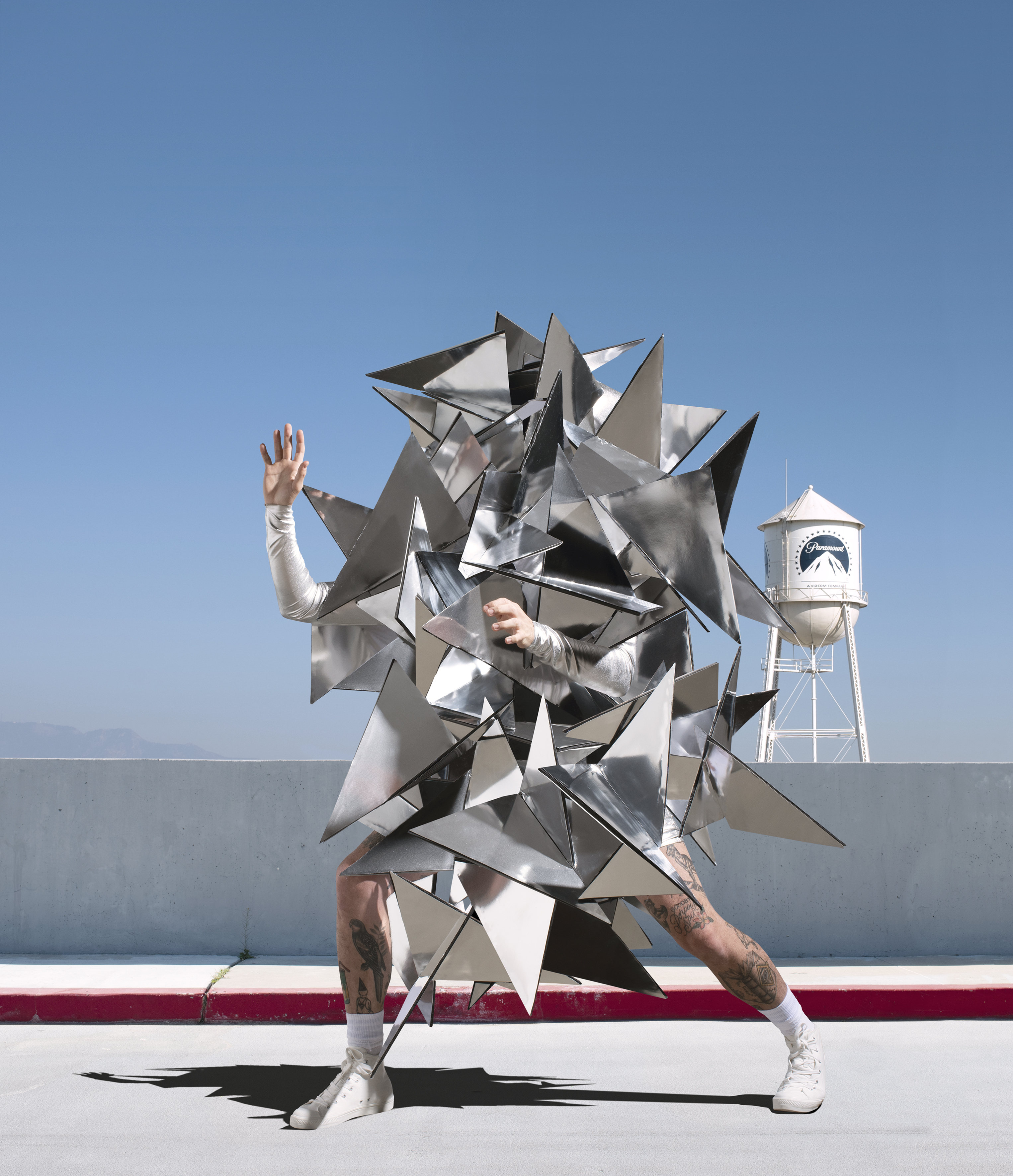
The 2026 Art Collection Writing Prize is open and invites UNSW students from all disciplines to get creative and write a response to one of the three artworks pictured here, currently on display across campus.
Students from every faculty are encouraged to enter - this is a prize for all students interested in writing, and in art. You can write in prose, poetry, a critical essay, or any written form which you choose!
~~~~~~~~~~~~~~~~~~~~~~~~
What is the Art Collection Writing Prize? The Art Collection Writing Prize is an opportunity for UNSW students to explore works of art in the UNSW Art Collection and respond in a creative written form, to be in the running to win a prize of $1,000.
Why are we doing it? An initiative from UNSW Creative Communities, the prize has been created to increase student enjoyment and interaction with the UNSW Art Collection through interdisciplinary engagement.
When can I enter? Entries will be accepted from 09:00 AEST on Monday 24 August 2026, and will close at 09:00 AEDST on Monday 12 October 2026.
Who is eligible? Entrants must currently be enrolled students of UNSW in any Faculty or discipline. (See here for full Conditions of Entry).
What is the word length? Entries are strictly up to 800 words.
How do I enter? Submissions will be accepted from 9am Monday 24 August 2026 to 9am Monday 12 October 2026. Entries are to be submitted via the webform link, with your writing entry submitted as a PDF. Go to the link and sign up to enter! Your entry will be written response (up to 800 words) in any genre of writing to one of three works of art from the UNSW Art Collection:
- Gerwyn Davies LA #1 (Paramount) (2020) [Anita B. Lawrence building, Level 5, Room 5Q10]
- Jarinyanu David Downs Piwi with his wives and sons (1993) [Sir John Clancy Auditorium foyer]
- Cigdem Aydemir Stasis (a map of home) (2019) [Main Library, Level 3]
Can I choose any work from the UNSW Art Collection? No, entries must be a written response to one of the three specified works of the UNSW Art Collection, as in the Conditions of Entry.
Can I post or email in my entry? No, entries will only be accepted if they are submitted through the online webform, as mentioned above. We cannot accept handwritten entries, nor entries arriving by email or post.
What is the prize? The writer of the winning entry will be awarded a $1,000 cash prize, as well as having their entry considered for publication by UNSW. The panel may also note up to two other entries for commendation in their genre of writing.
How is it judged? Entries will be judged by an expert Jury Panel, which based on criteria covering will select the work they believe to be the most original, excellent, and engaging response to the work of art.
Can I enter in another language? No, all entries must be submitted in English.
Can I enter under a pseudonym? As long as you register for the competition under your real name, you can choose to publish your story under a pseudonym. When you submit your entry, you would need to add a note letting us know of your preferred pseudonym.
Is there a fee for entry? No, this Prize is free to enter.
When will winners be announced? The winner of the Prize will be publicly announced on 5 November 2026 at the UNSW Culture Awards.
Who can I contact if I have more questions? Please email us at culture@unsw.edu.au
Images:
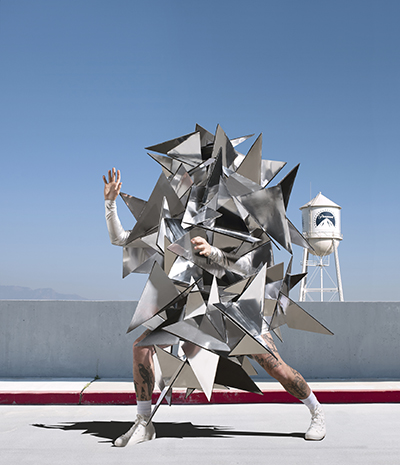
Gerwyn Davies
LA #1 (Paramount) 2020
photograph
Purchased 2022 UNSW Art Collection
LOCATION: ANITA B. LAWRENCE CENTRE (H13) LEVEL 5, ROOM 5Q10
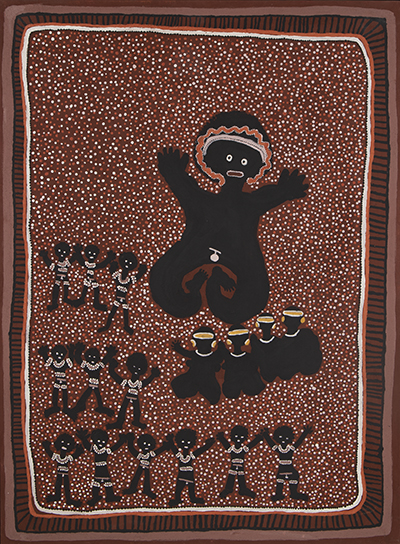
Jarinyanu David Downs
Piwi with his wives and sons 1993
natural earth pigments on linen
UNSW Art Collection
LOCATION: SIR JOHN CLANCY AUDITORIUM FOYER (C24)

Cigdem Aydemir
Stasis (a map of home) 2019
photograph
Purchased 2023 UNSW Art Collection
LOCATION: MAIN LIBRARY, LEVEL 3 (F21)